
Vetrnætr - The Viking version of Halloween or something more?
Vetrnætr is Old Norse for ‘Winter Nights’. It was an important three-day festival for the Norse people which acknowledged the transition from Harvest time into the dark, cold days of Winter. Historical sources describe it as one of the three most important holy tides in the ancient Scandinavian calendar.
Vetrnætr celebrations did not have a fixed date. The celebration begun on the first full moon after the autumnal equinox, but also was always three full moons before the other popular Norse festival of Jul. This means that the festival of Vetrnætr usually falls around mid to late October, as well as being at a similar time of year we can draw many comparisons between this festival and Halloween, although Vetrnætr wasn’t about being spooky.
So what is Vetrnætr all about?
The winter nights festival was highly sacred and much more serious than the joy filled celebrations that came with summer. Much of the festival would take place inside as the world outside become dark and cold.
The festival had three main purposes:
1. The slaughtering of livestock
Vetrnætr marked the beginning of slaughter month known as Gormánuður. As the days drew in animals needed to be moved off grazing pastures. Any animals that the family couldn’t afford to feed throughout the winter would be slaughtered. As the temperature was dropping this meant that people could preserve the meat by drying, salting or smoking safely. As this was the time of year where most animals were slaughtered in also meant that this was the time with an abundance of fresh, rich food, perfect for feasting.
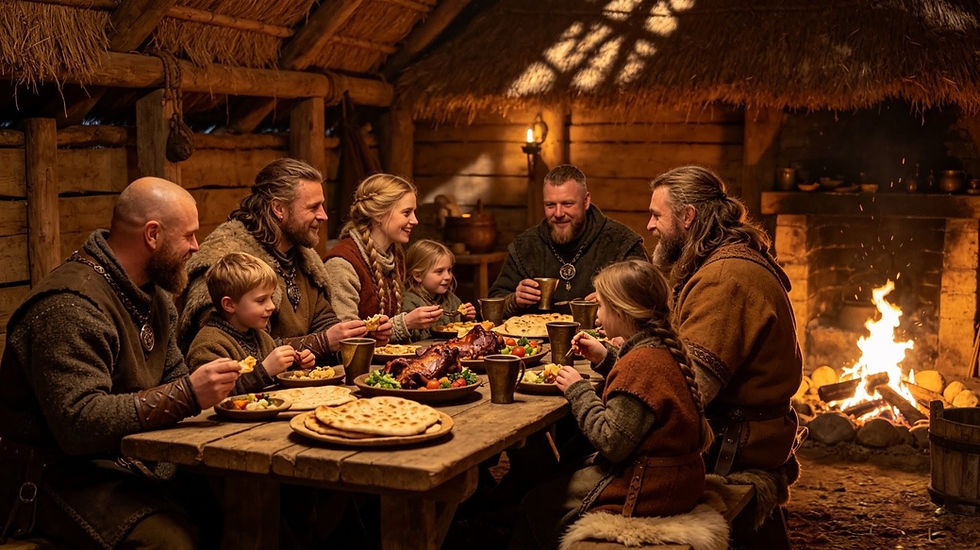
2. Honouring the spirits of their ancestors
A great ancestral feast known as Álfablót was one of the most important parts of Vetrnætr. During this feast families honoured the Alfar (elves), who the Norse closely associated with the spirits of deceased male ancestors buried in nearby mounds. There would be a ritual toast spoken over cups of ale. The words ‘til árs ok friðar’ which translates from Old Norse to ‘for a good year and peace’. This feasting was private, with only members of the household allowed to attend. Strangers and travellers would not be welcome.
Much like today, the time of year where the transition into Winter begins was viewed as a time when the veil between the living and dead was thinnest. This made it the optimal time for magic and divination. People would practice Útiseta, which means ‘sitting out’, this involved spending the night meditating on top of burial mounds to receive wisdom, poems, or prophecies from their dead relatives.
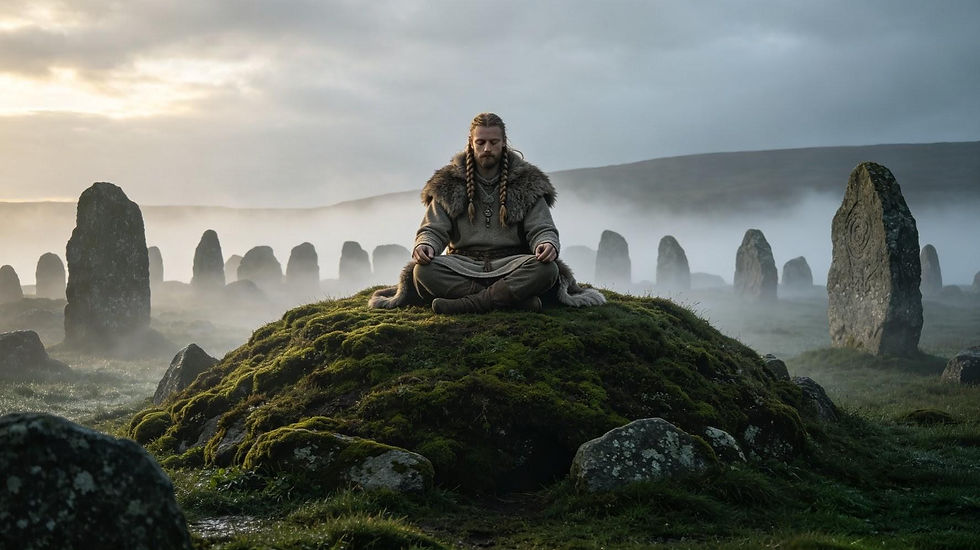
3. Securing blessings to survive the coming winter
Arguably one of the most crucial parts of the Winter Nights festival was a ritual known as the Dísablót. This ritual involved prayer and sacrifice to the Dísir, who were powerful female deities, guardian spirits and ancestral mothers of the family. These Dísir were responsible for fertility and fate, and families would pray to them to ensure protection of their household from the harshness of Winter. These rituals were carried out inside the Norse homes and would often be led by the women of the household.
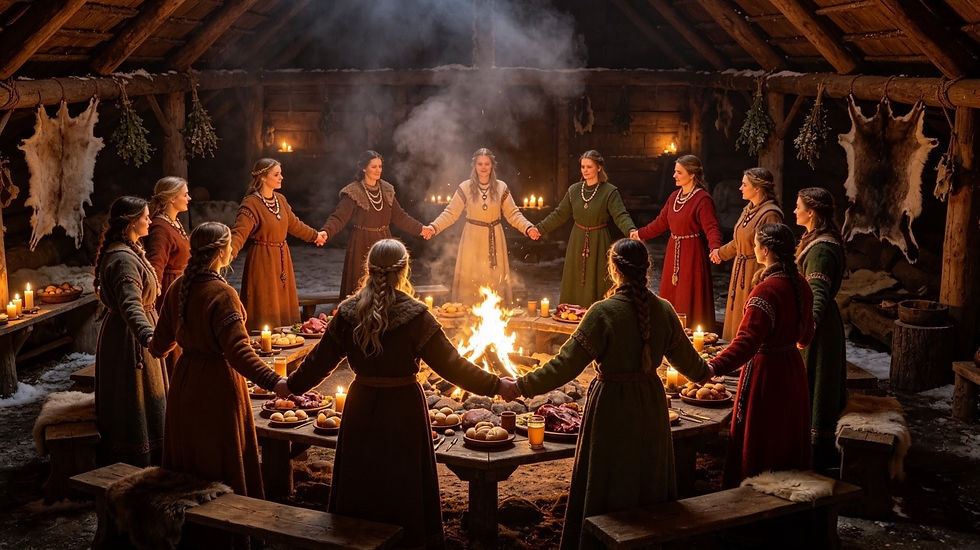
How do we know this?
The festival of Vetrnætr is mentioned in many of the sagas including Ynglinga saga, Egils saga and Víga-Glúms saga, as well as in Skaldic Poetry such as the 11th-century poem Austrfararvísur and later in Scandinavian Folklore.


Comments